You pull up to the pump somewhere in Auckland or anywhere across New Zealand. You put in your card. You try not to look at the total climbing on the screen because the number staring back at you is the highest it has ever been.
Below is a 20-year look at NZ petrol prices, the key events that drove every rise, and what it has cost Kiwi drivers along the way.
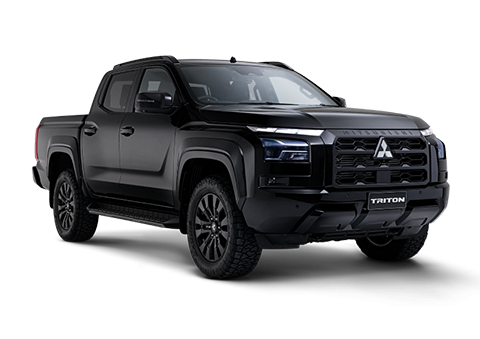
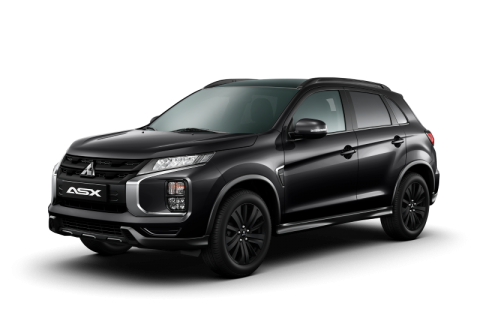
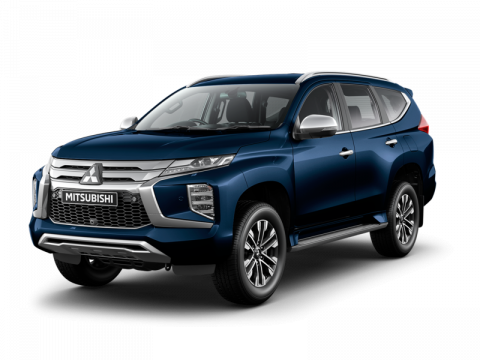
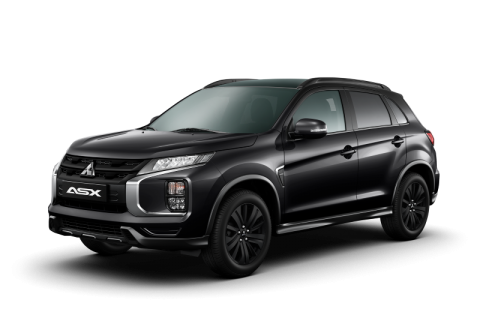
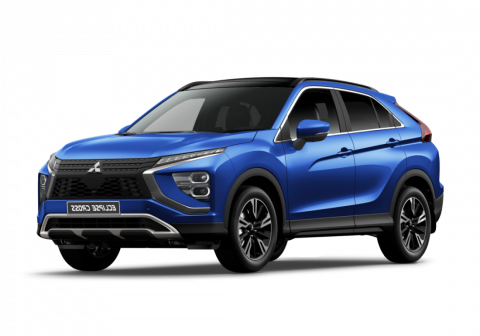
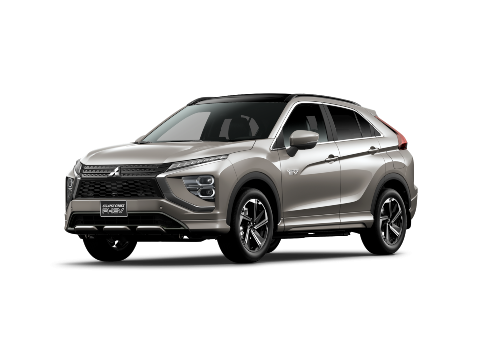
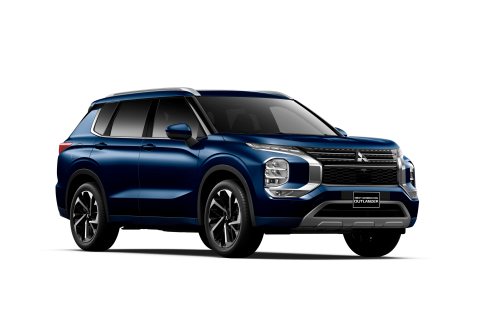
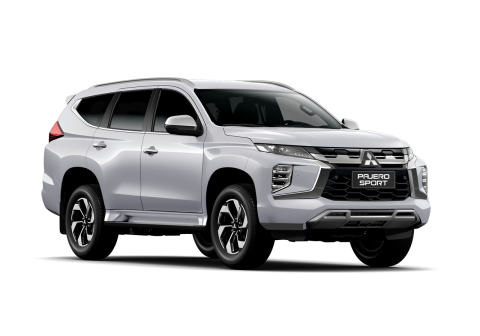
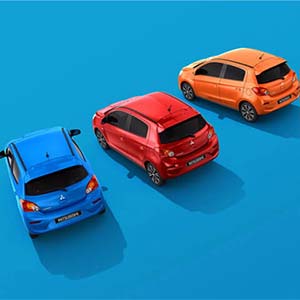
We tracked what it has actually cost Kiwi drivers to fill a tank at five-year intervals going back to 2006. The cars we used as examples are three popular Mitsubishi models, which happen to cover the three sizes most New Zealanders drive:
Whether you drive a Mitsubishi or not, if your car is roughly one of those three sizes, these numbers are yours too.
|
Year |
Avg 91 (NZA/L) |
ASX |
Outlander |
Triton |
|
2006 |
$1.5 |
$72.00 |
$82.50 |
$112.50 |
|
2011 |
$2.1 |
$100.8 |
$115.50 |
$157.50 |
|
2016 |
$1.7 |
$81.60 |
$93.50 |
$127.50 |
|
2021 |
$2.2 |
$105.6 |
$121.00 |
$165.00 |
|
2026 (March) |
$3.3 |
$158.4 |
$181.50 |
$247.50 |
The pattern is almost too consistent. Every spike of petrol prices has a conflict or a crisis behind it:
Petrol prices don't move in a straight line. They spike, crash, and recover, and the table tells that story clearly. In 2006, prices were pushed up by Middle East instability and Hurricane Katrina disrupting global refineries. A decade later in 2016, they landed at almost the same number, but only after crashing through the floor during the 2008 global financial crisis and slowly climbing back.
Same price, completely different journey. The same pattern played out between 2011 and 2021. A 2011 high driven by surging demand from China and India, then COVID wiped out global demand overnight, before prices bounced back sharply as economies reopened. Again, a decade apart, almost identical at the pump.
We sit at the very end of a long and fragile supply chain. Here is how it works:
The AA's Terry Collins told 1News that crude oil had gone from under US$60 a barrel in January 2026 to nearly US$93 in early March 2026. Infometrics chief executive Brad Olsen warned this shock could be worse than Russia-Ukraine, because Iran itself was a major exporter and that supply has now vanished from world markets.
To put the current prices in plain terms, here is what a full tank costs in NZ in March 2026 compared to 2006:
The average Kiwi drives around 10,600km a year at roughly 8L/100km, burning through about 850 litres. At $3.30/L, that is close to $2,805 a year in petrol. In 2006, the same driving cost around $1,275, meaning the average driver is now spending $1,530 more per year just to cover the same distance.
And with the government ruling out a fuel excise cut for now, there is no short-term relief coming.
Petrol prices move. What you pay at the pump in March may look very different by December. What does not change is the relative efficiency of the car you are driving. Here is the full Simon Lucas range ranked by estimated annual fuel spend, based on the NZ average of 10,600km a year. Use it as a budgeting guide, not a fixed figure.
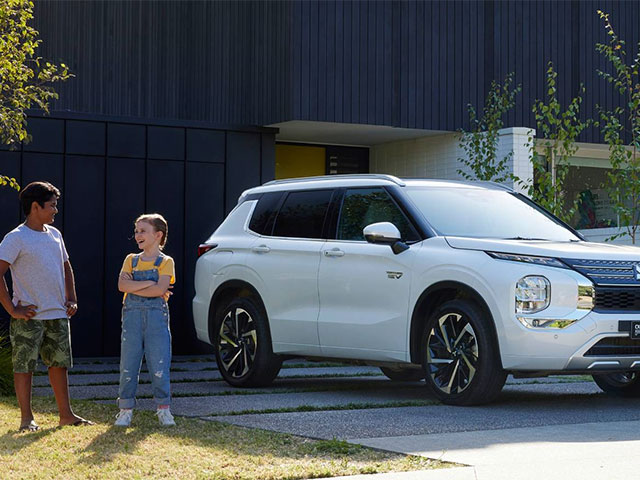
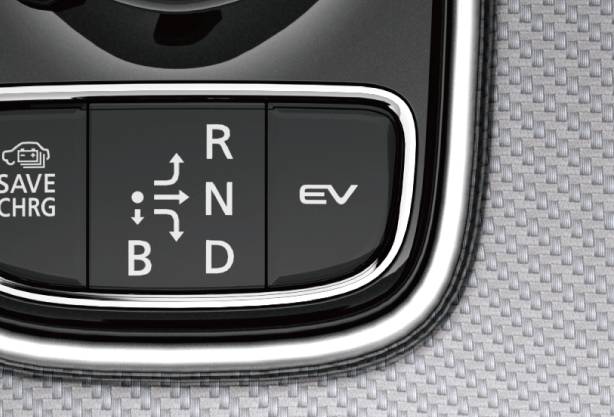
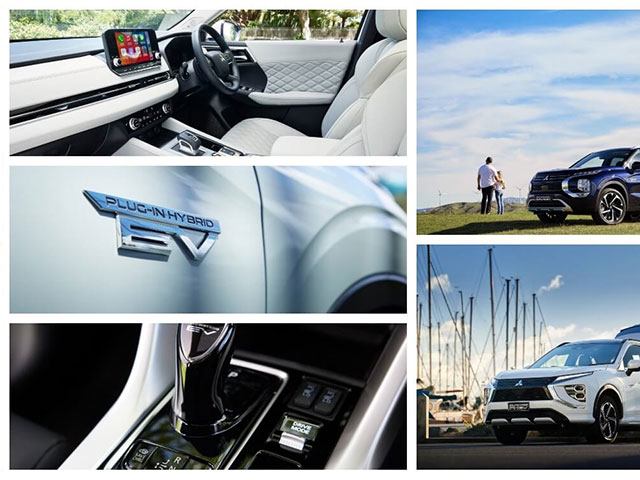
1.6L/100km combined. Most Auckland commutes are under 84km return, meaning most owners run on electricity alone all week without visiting a petrol station. Mitsubishi Outlander PHEV seats 7, tows 1,600kg, charges overnight from a standard NZ power outlet. When petrol prices rise, your weekly cost barely moves.
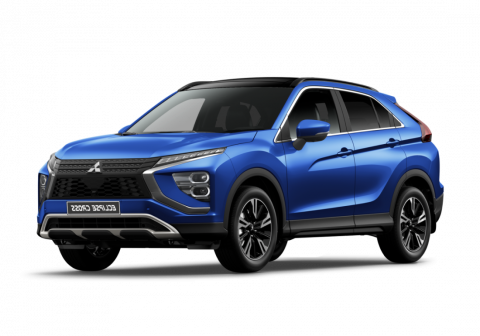
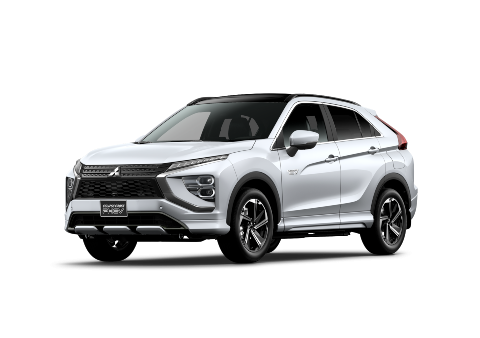
2.1L/100km combined. Up to 55km on pure electric, 650km total range. Eclipse Cross PHEV is a compact choice if you want PHEV running costs in a smaller package.
Mitsubishi ASX is the most fuel-efficient petrol-only model in the range at 6.4L/100km. A solid budgeting choice if a PHEV is not the right fit right now.
7.3-7.7L/100km. More interior space than the ASX, but every time petrol prices climb, the gap between this and its PHEV sibling gets harder to ignore.
8.0L/100km diesel. Serious off-road capability and 3,100kg towing. The Pajero Sport is built for buyers who genuinely need that capability.
8.1L/100km. At current prices the PHEV version pays for its premium relatively quickly. Worth running the numbers before you decide.
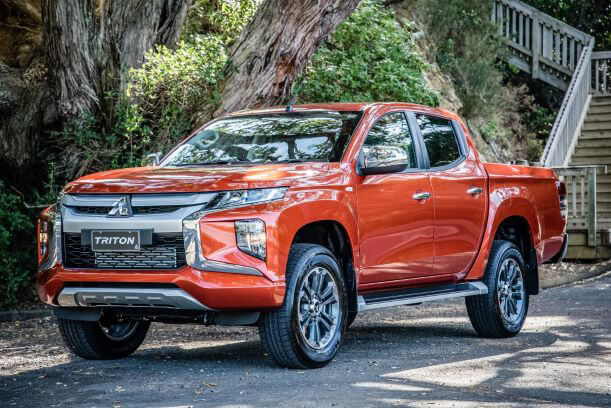
8.3-8.8L/100km. Mitsubishi Triton has the highest fuel cost in the range. If you are towing, working a site, or heading off-road regularly, it earns every cent. If your driving is mostly urban, the sums work against you as prices rise.
The bottom line of what our numbers really show: each time petrol prices recover, they reset at a higher floor. The trend isn't just upward, it's a staircase. And with that in mind, the vehicle you choose today, and the size of its tank, matters more than it ever has.
If the last few weeks at the pump have you thinking it might be time for a change, we would love to help you work out what makes sense for your situation.
Whether you want to know more about the Outlander PHEV, compare it side-by-side with the Triton, or just run the fuel savings numbers for your own commute, our team at Simon Lucas Mitsubishi is here. Visit our dealership in Wairau Valley or call on 0800 001 107.
P.S: This article was written in April 2026, at a time when petrol prices had reached record highs in New Zealand, driven by global supply uncertainty following escalating conflict in the Middle East. The 2026 figures referenced reflect a snapshot taken in mid-March and should be used as a guide only rather than a precise current price.
We would love to hear from you, please let us know your new Mitsubishi vehicle requirements and any other relevant details. One of our Sales Team members will contact you shortly.
Mon - Fri 8:30am - 5:30pm
Saturday 8:30am - 5:00pm
Sunday 10:00am - 4:00pm

We'd love to give you a trade-in price on your current vehicle

We are happy to work with you on the most suitable solution for your budget

We save you time and travel by bringing the vehicle to you

NZ's best new car warranty and customer care

We can now provide our fantastic services in Chinese, Hindi and Punjabi!